Archives
- 2026-06
- 2026-05
- 2026-04
- 2026-03
- 2026-02
- 2026-01
- 2025-12
- 2025-11
- 2025-10
- 2025-09
- 2025-04
- 2025-03
- 2025-02
- 2025-01
- 2024-12
- 2024-11
- 2024-10
- 2024-09
- 2024-08
- 2024-07
- 2024-06
- 2024-05
- 2024-04
- 2024-03
- 2024-02
- 2024-01
- 2023-12
- 2023-11
- 2023-10
- 2023-09
- 2023-08
- 2023-07
- 2023-06
- 2023-05
- 2023-04
- 2023-03
- 2023-02
- 2023-01
- 2022-12
- 2022-11
- 2022-10
- 2022-09
- 2022-08
- 2022-07
- 2022-06
- 2022-05
- 2022-04
- 2022-03
- 2022-02
- 2022-01
- 2021-12
- 2021-11
- 2021-10
- 2021-09
- 2021-08
- 2021-07
- 2021-06
- 2021-05
- 2021-04
- 2021-03
- 2021-02
- 2021-01
- 2020-12
- 2020-11
- 2020-10
- 2020-09
- 2020-08
- 2020-07
- 2020-06
- 2020-05
- 2020-04
- 2020-03
- 2020-02
- 2020-01
- 2019-12
- 2019-11
- 2019-10
- 2019-09
- 2019-08
- 2019-07
- 2019-06
- 2019-05
- 2019-04
- 2018-11
- 2018-10
- 2018-07
-
hydroxydopamine OHDA is a selective catecholaminergic neurot
2024-03-06
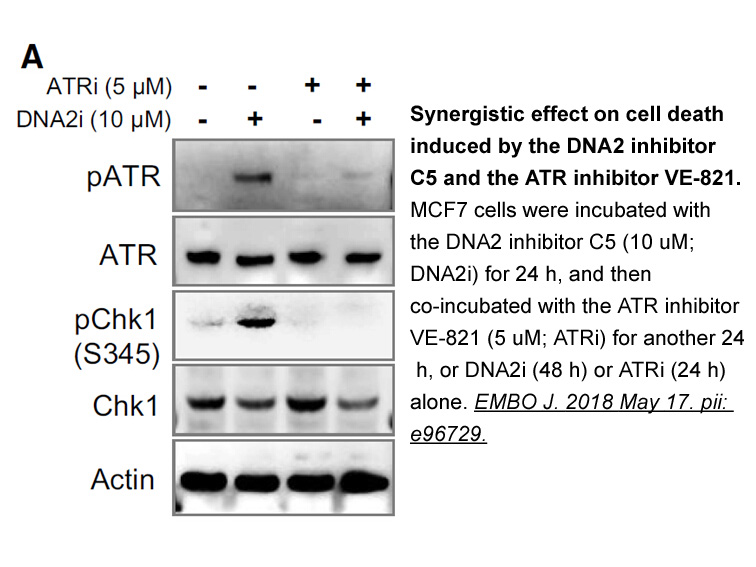
6-hydroxydopamine (6-OHDA) is a selective catecholaminergic neurotoxin mainly used to generate lesions in the nigrostriatal pathway in rats (Ungerstedt, 1968). The most common use of 6-OHDA is via unilateral injection into the rat medial forebrain bundle (MFB). DA depletion, nigral DA cell loss, and
-
Diabetes or inflammation is associated with up regulation
2024-03-06

Diabetes or inflammation is associated with up-regulation of A2AAR (Pang et al., 2010). High levels of A2AARs are found in macrophages and microglial cells that are poised, on activation, to abrogate the immune response (Trincavelli et al., 2008). In addition, hyperglycemia is associated with increa
-
Introduction Adenosine kinase ADK ATP adenosine phosphotrans
2024-03-06

Introduction Adenosine kinase (ADK; ATP: adenosine 5′-phosphotransferase, EC 2.7.1.20), is isolated from yeast cells by Kornberg for the first time in 1951 [1]. ADK belongs to the ribokinase protein family and is one of the most abundant nucleoside kinases in mammalian tissues [2,3]. As the first i
-
We have previously reported that interfering with actin asse
2024-03-06
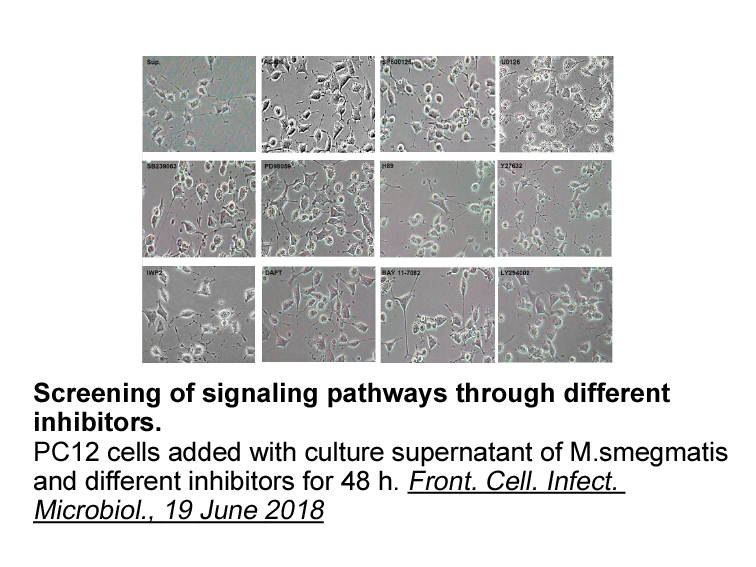
We have previously reported that interfering with Sennoside A assembly dynamics by knocking down cofilin-1 in hMSCs increased polymerized actin that promoted osteoblast cell differentiation through a mechanism of enhancing focal adhesion kinase (FAK), p38 and c-Jun N-terminal kinase (JNK) signaling
-
br Discussion One binding site
2024-03-05
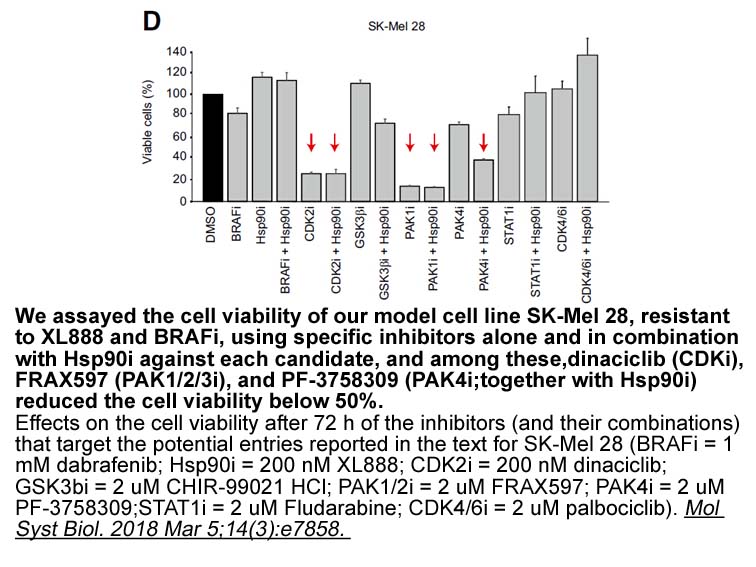
Discussion One binding site, MB327-1 (Fig. 4) is located in the extracellular domain between the γ and α subunits. MB327 adopts an extended conformation in the MB327-1 site and is oriented parallel to the channel. The second putative binding site, MB327-2 (Fig. 4) is situated deep inside the chan
-
br Methods br Results br
2024-03-05
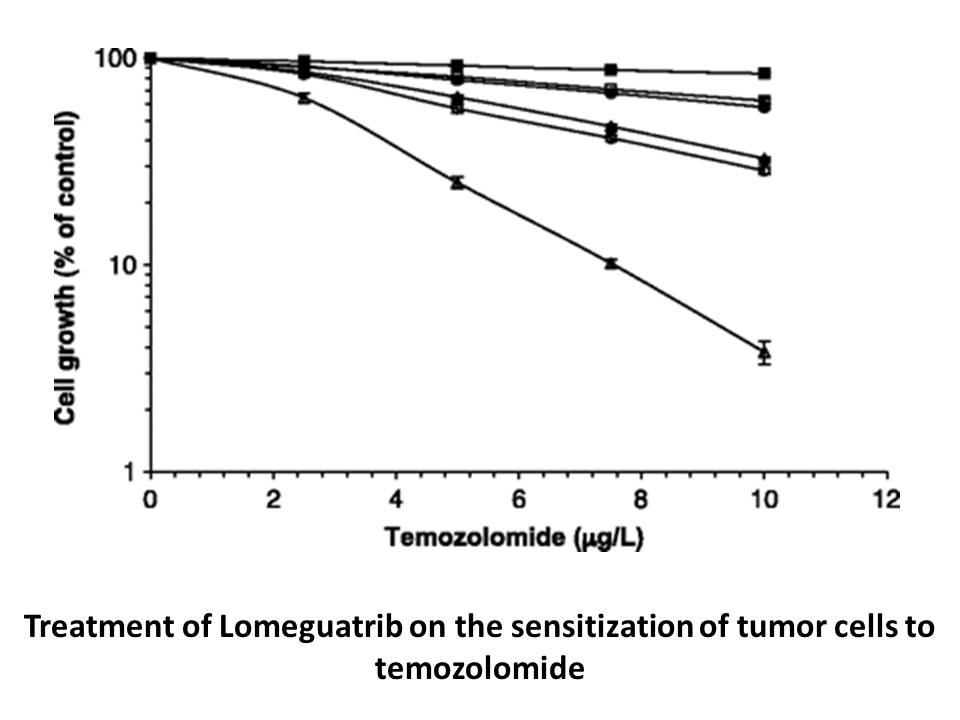
Methods Results Discussion Acknowledgements This work was supported by the National Institutes of Health [Grant R21 NS081429], a Pilot Grant from the Vanderbilt Conte Center supported by the National Institutes of Health [Grant P50 M096972], and by the Department of Anesthesiology at V
-
In earlier experiments on snails a behavioral model
2024-03-05
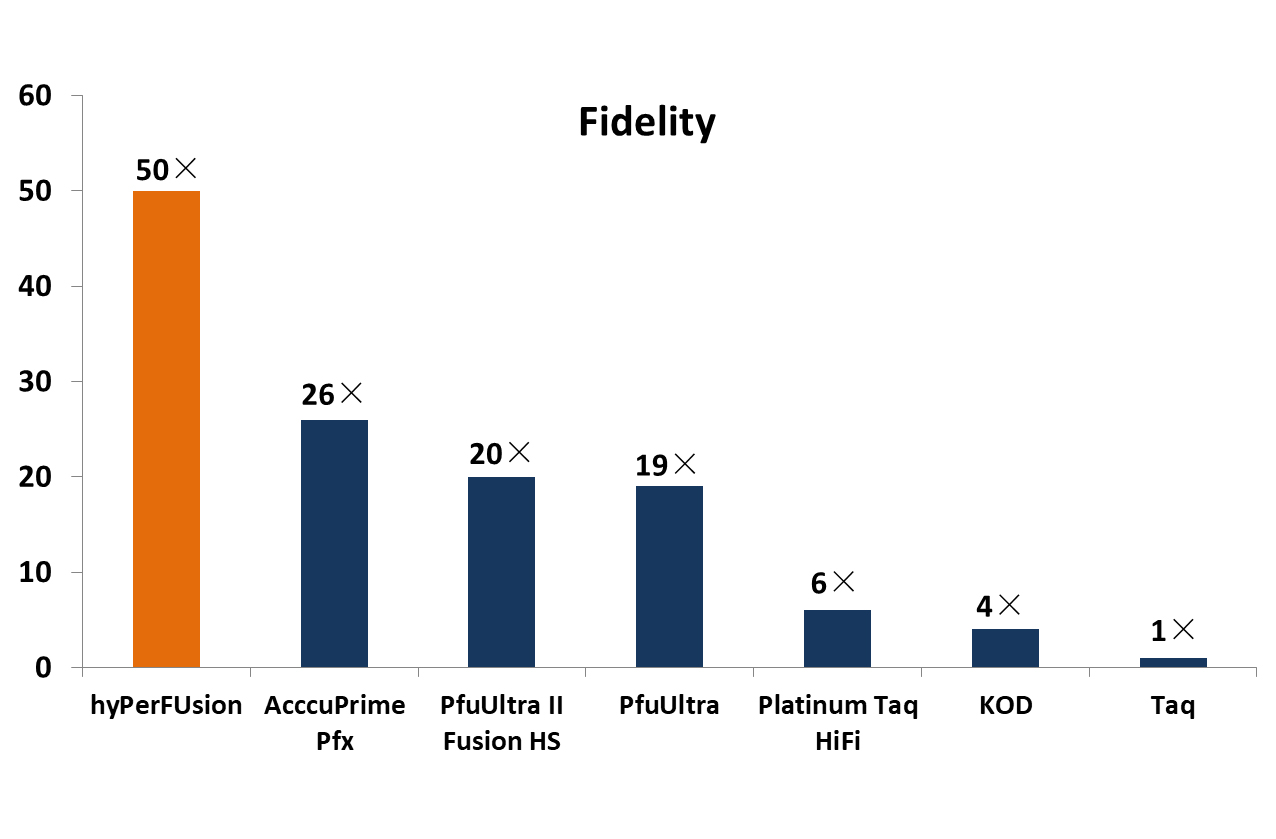
In earlier experiments on snails, a behavioral model was employed of certain food rejection to study the mechanisms of the reconsolidation of long-term associative memory. It was found that conditioned food stimuli (reminder) presentation, combined with injections of NMDA glutamate receptor antagoni
-
br Acknowledgements br Introduction Thus damage to the
2024-03-05
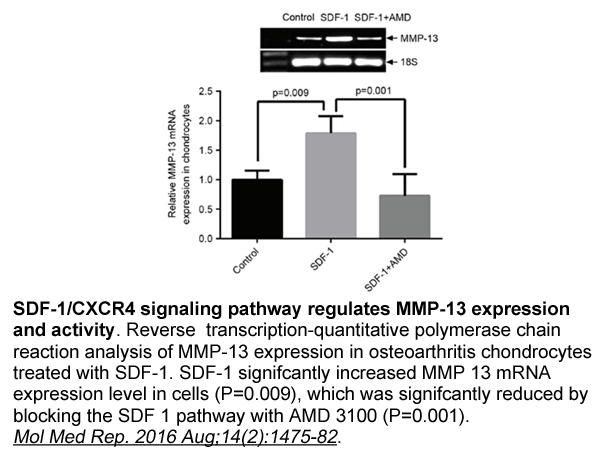
Acknowledgements Introduction Thus, damage to the (3S,5S)-Atorvastatin sodium salt may produce severe consequences (National Research Council, 1992). Indeed, though the nervous system has several compensatory and adaptive mechanisms, it is vulnerable to toxic insult, due to its inability to re
-
Acarbose Recent studies showed that the increased expression
2024-03-05
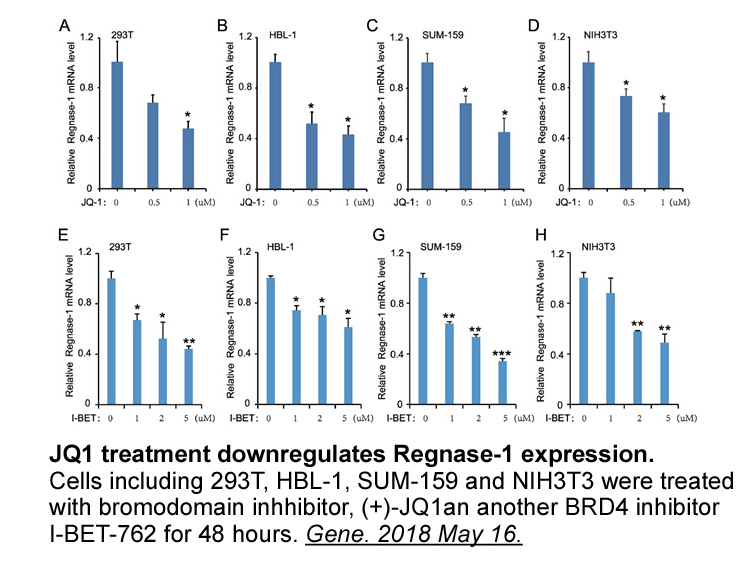
Recent studies showed that the increased expression of Aurora B kinase directly proportional to the tumor invasion and metastasis [61]. The Aurora B kinase regulates the PI2K/Akt signaling pathway has a significant role in tumor invasion and metastasis that leads to phosphorylation of GSK3β on ser 9
-
IGF is an anabolic growth
2024-03-05
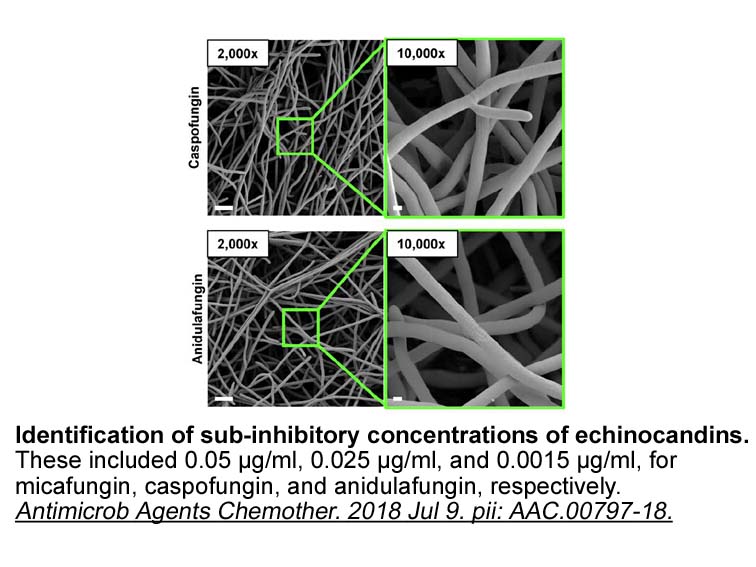
IGF1 is an anabolic growth factor that induces hypertrophy and blocks atrophy in skeletal muscle by activating the PI3K/AKT/mTOR pathway (Egerman and Glass, 2014). In addition to its anabolic and anti-catabolic effects, IGF1 stimulates fatty fluvoxamine maleate synthesis (FA) uptake and glucose meta
-
ATM dependent initiation of radiation induced
2024-03-05
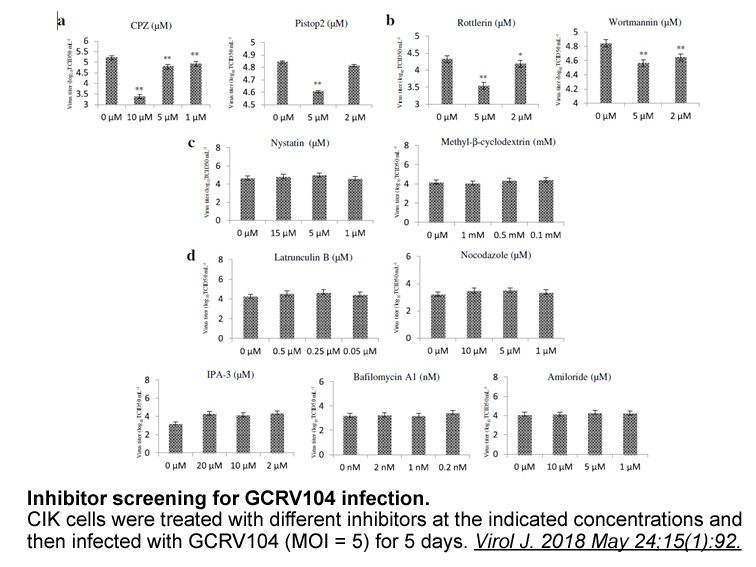
ATM-dependent initiation of radiation-induced G2/M checkpoint arrest is well established [11], [34], [35]. However, the ATR pathway may also be involved [36], [37]. Brown and Baltimore generated Cre/lox-conditional cell lines or NKH 477 with a kinase inactive allele of ATR (ATRkd) to evaluate the r
-
Another factor that is involved in the severity
2024-03-05
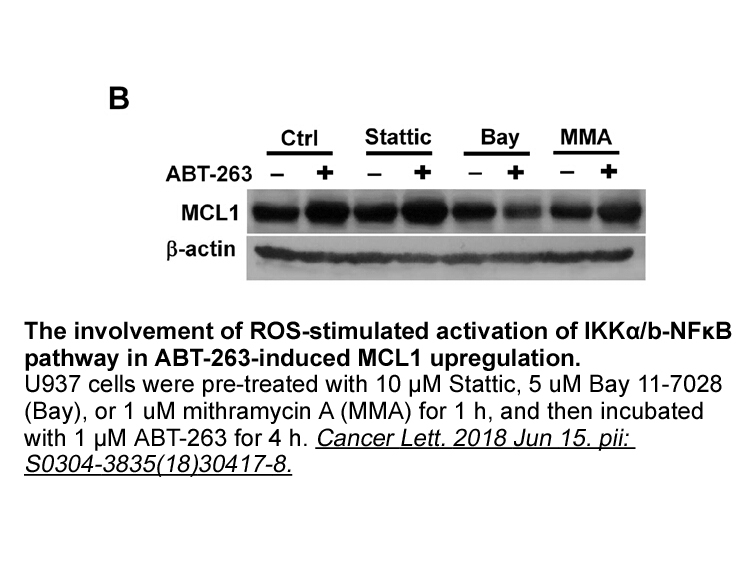
Another factor that is involved in the severity of EAE is apoptosis signal-regulating kinase 1 (ASK1), which is one of a growing number of mitogen-activated protein kinase (MAPK) kinase kinases identified in the upstream of the c-Jun N-terminal kinase and p38 MAPK pathways [12]. We previously report
-
am 630 receptor br Acknowledgments br Introduction Angiotens
2024-03-05
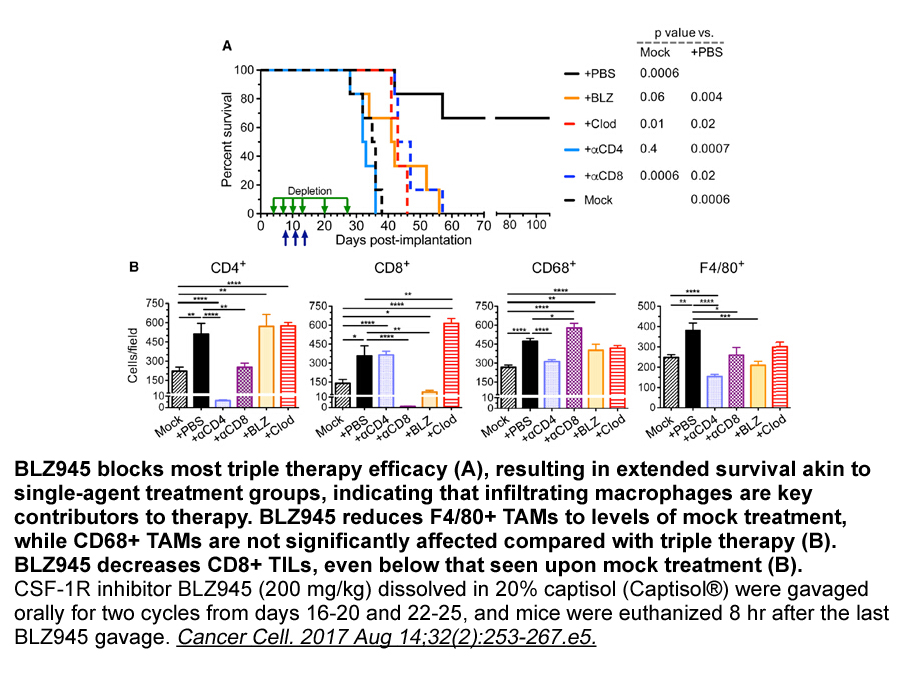
Acknowledgments Introduction Angiotensin II (AngII) is among the most potent vasoactive substances produced in humans. Its effects are numerous, from vasoconstriction to control of fluid and electrolytes balances. Many of the physiological and pathological effects of AngII are mediated by the
-
br Experimental section br Introduction NMDA receptor induce
2024-03-05
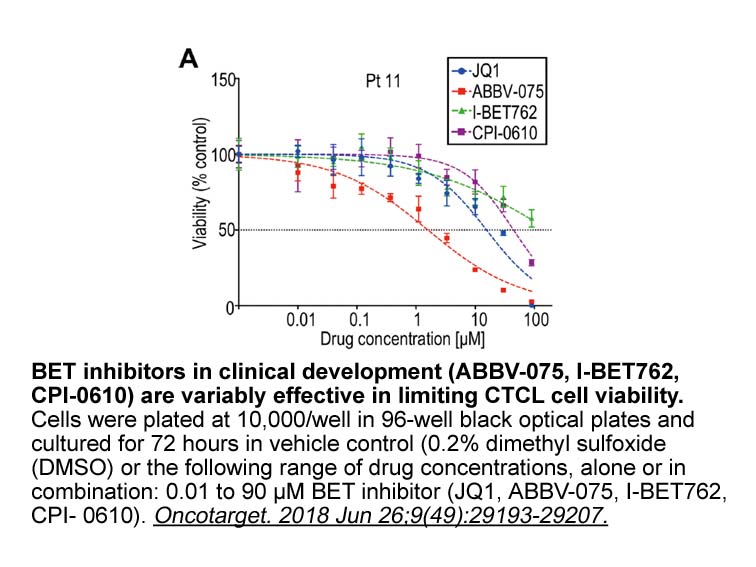
Experimental section Introduction NMDA receptor-induced increases in AMPAR trafficking to the synaptic surface mediates changes in synaptic efficacy in a number of Tamoxifen regions (Shi et al., 1999, Sun et al., 2005, Frenkel et al., 2006). While this process has been linked to the regulated
-
Gliomas and Aldehyde Dehydrogenase Aldehyde dehydrogenases A
2024-03-05
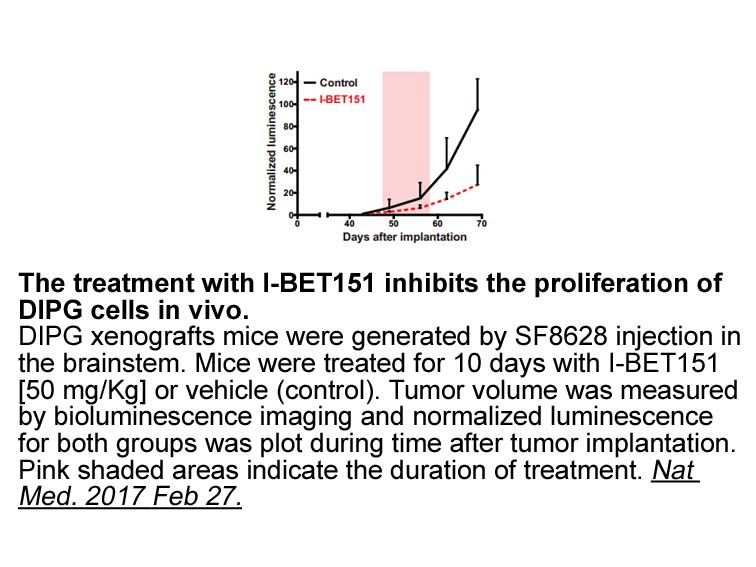
Gliomas and Aldehyde Dehydrogenase Aldehyde dehydrogenases (ALDHs) are key metabolic enzymes involved in regulation of glycolysis/gluconeogenesis pathways as well as in the detoxification of endogenous and exogenous aldehydes, regulating cell function and homeostasis. ALDHs play important roles in
16683 records 213/1113 page Previous Next First page 上5页 211212213214215 下5页 Last page