Archives
- 2026-06
- 2026-05
- 2026-04
- 2026-03
- 2026-02
- 2026-01
- 2025-12
- 2025-11
- 2025-10
- 2025-09
- 2025-04
- 2025-03
- 2025-02
- 2025-01
- 2024-12
- 2024-11
- 2024-10
- 2024-09
- 2024-08
- 2024-07
- 2024-06
- 2024-05
- 2024-04
- 2024-03
- 2024-02
- 2024-01
- 2023-12
- 2023-11
- 2023-10
- 2023-09
- 2023-08
- 2023-07
- 2023-06
- 2023-05
- 2023-04
- 2023-03
- 2023-02
- 2023-01
- 2022-12
- 2022-11
- 2022-10
- 2022-09
- 2022-08
- 2022-07
- 2022-06
- 2022-05
- 2022-04
- 2022-03
- 2022-02
- 2022-01
- 2021-12
- 2021-11
- 2021-10
- 2021-09
- 2021-08
- 2021-07
- 2021-06
- 2021-05
- 2021-04
- 2021-03
- 2021-02
- 2021-01
- 2020-12
- 2020-11
- 2020-10
- 2020-09
- 2020-08
- 2020-07
- 2020-06
- 2020-05
- 2020-04
- 2020-03
- 2020-02
- 2020-01
- 2019-12
- 2019-11
- 2019-10
- 2019-09
- 2019-08
- 2019-07
- 2019-06
- 2019-05
- 2019-04
- 2018-11
- 2018-10
- 2018-07
-
These cytokines except for TGF can also increase
2019-10-21
These cytokines, except for TGF-β can also increase CysLT1R mRNA expression. We further demonstrated that TGF-β and IL-13 were able to increase the proliferation of human BSMC in response to LTD4. BSMC proliferation was CysLT1R-dependent, given that Montelukast ablated this effect. Taken together, o
-
Each of the CYP enzymes alluded to
2019-10-21
Each of the CYP450 enzymes alluded to above are highly selective catalysts, in that, the three aryl coupling reactions en route the biosynthesis of 1 are catalyzed by three different CYP450 enzymes in a sequential manner (Fig. 1). In sharp Tazobactam sodium salt receptor is the recently described m
-
The enzymatic activity of recombinant
2019-10-21
The enzymatic activity of recombinant sponge P4H was assayed in vitro both at 37°C, the standard enzymatic kinetics temperature, and at 15°C, the typical sea temperature of C. reniformis marine environment (Fig. 2C). Surprisingly the data obtained indicate that the sponge enzyme has a lower activity
-
In addition to carbamates organophosphates are classic inhib
2019-10-21
In addition to carbamates, organophosphates are classic inhibitors of cholinesterases. Previous studies with aquatic organisms have demonstrated their sensitivity to such chemicals. For example, individuals of the freshwater fish Colossoma macropomum exposed to the organophosphate dichlorvos, chlorp
-
Previous research has suggested that the
2019-10-21
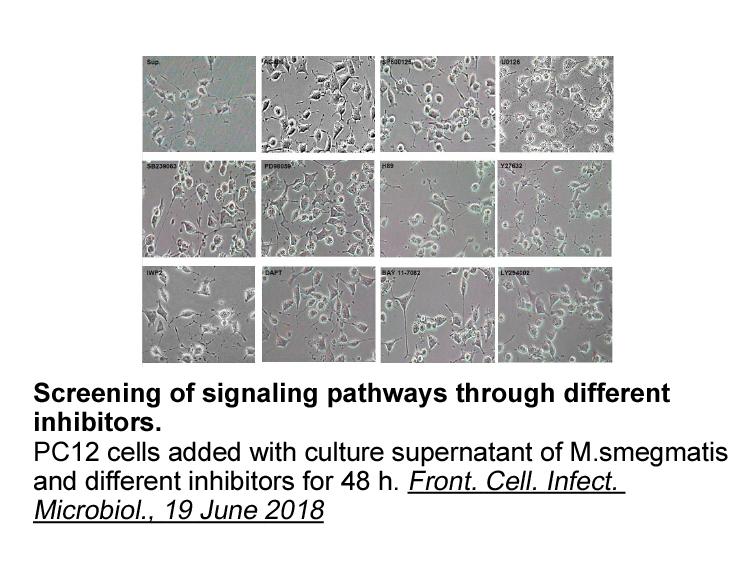
Previous research has suggested that the acetylcholine-gated chloride channels (ACCs) in Caenorhabditis elegans (Putrenko et al., 2005) exhibit the characteristics of promising drug targets. The genes that encode the various subunits of this family are present across the nematode phylum and appear t
-
Materials and methods Construction of the Chk YB b Neo
2019-10-21
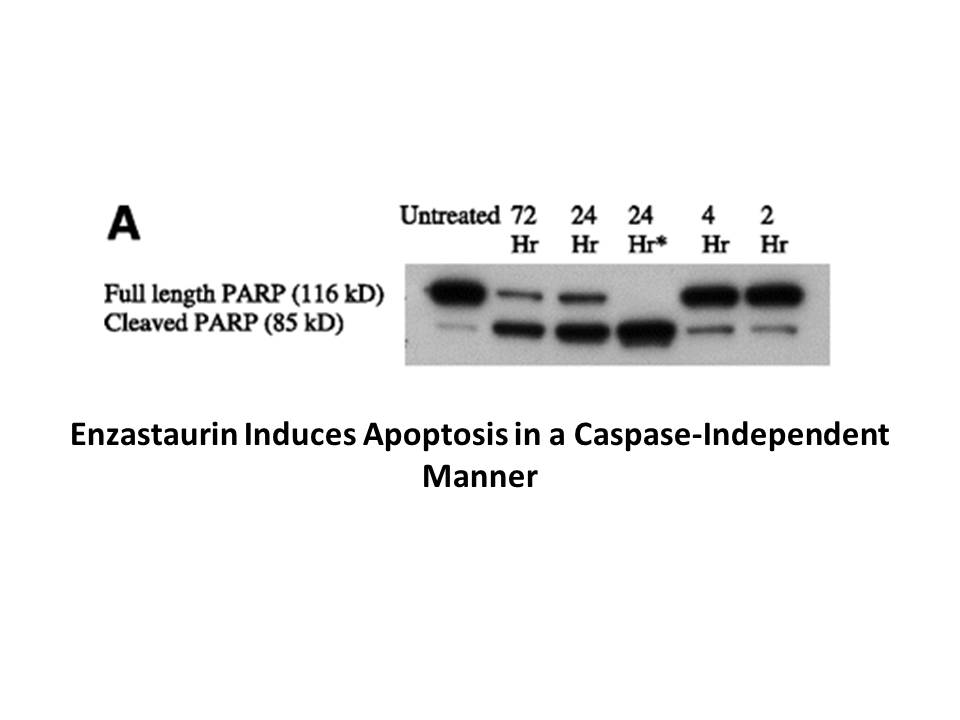
Materials and methods Construction of the Chk-YB-1b-Neo vector. Approximately 107 plaques from a chicken genomic library established in EMBL3 vector (Clontech Palo Alto, CA) was screened and one clone containing a 12kb insert was selected. Digestion of this clone with SalI and EcoRI restriction enz
-
br Materials and methods br Results br Discussion
2019-10-21
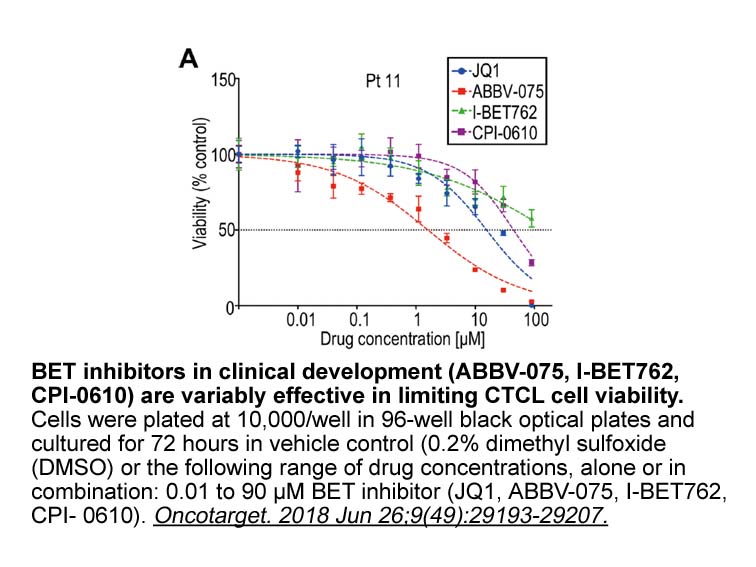
Materials and methods Results Discussion In this study, we confirmed the activation of Akt by udenafil in 3T3-L1 cells. To elucidate the underlying mechanism of udenafil, we focused on the mitochondria. Our findings demonstrated that udenafil improved mitochondrial function and expression o
-
Curcumin is found safe in several
2019-10-21
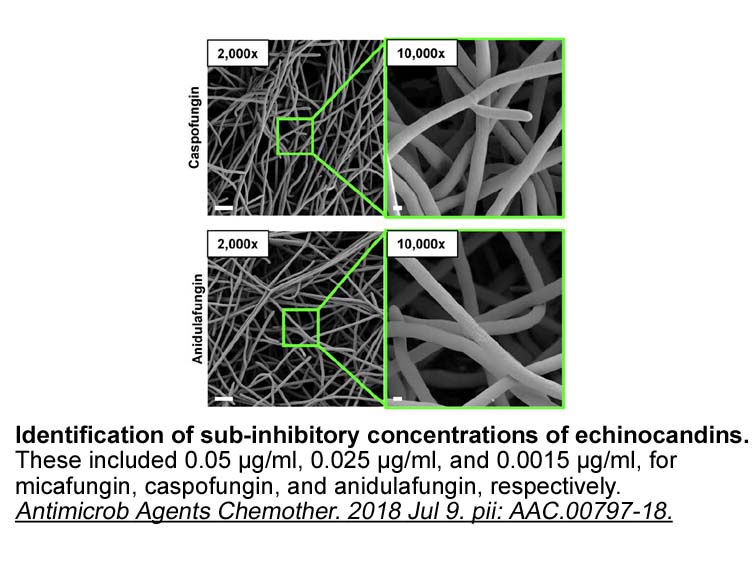
Curcumin is found safe in several human studies (Chainani-Wu, 2003; Cheng et al., 2001; Dcodhar et al., 2013), in contrary, the toxicity of curcumin has also been reported under some specific conditions (Burgos-Morón et al., 2010). Moreover, it Fmoc-Glu(OtBu)-OPfp synthesis was also reported that c
-
br Materials and methods br Results br Discussion DAS and
2019-10-21
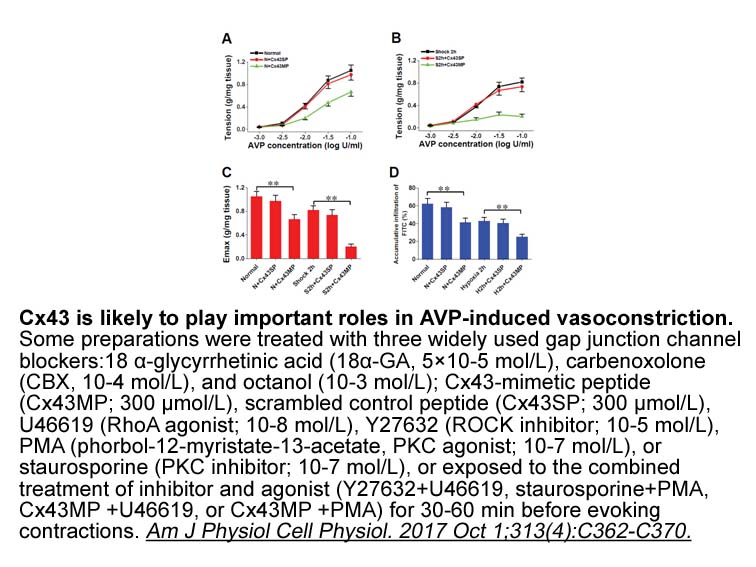
Materials and methods Results Discussion DAS and nilotinib, as the second potent, oral generation TKIs, bind to both the active and inactive conformation of the ABL1 kinase domain, have been found to be effective in treating patients with IM resistant or intolerant CML-CP, and inhibit all t
-
The importance of AAE in enhancing the survival
2019-10-21
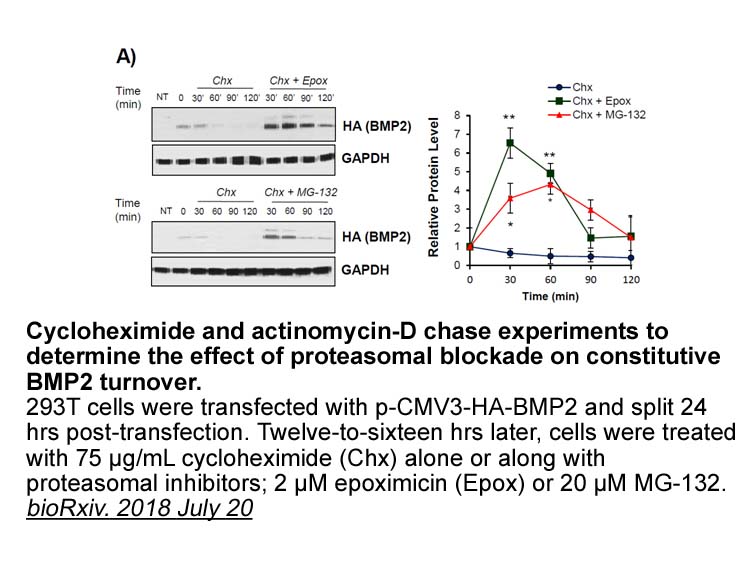
The importance of AAE3 in enhancing the survival of plants and yeast when confronted with certain environmental stresses has been documented in recent reports. In response to biotic stress such as oxalate-secreting micro-organisms, AAE3 was found to reduce the inhibitory growth effects of the secret
-
Despite a high affinity for progesterone and a relatively hi
2019-10-21
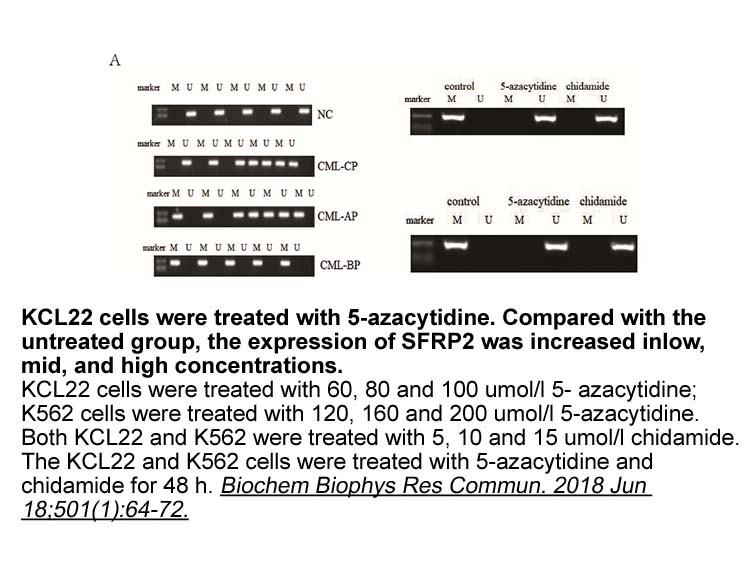
Despite a high affinity for progesterone and a relatively high affinity for testosterone [7], the binding of progesterone and testosterone to CBG is often disregarded [1], [2], [3]. However, the concentrations of these two hormones varies considerably under both normal physiological and pathophysiol
-
Polymorphism of the CD gene also
2019-10-21
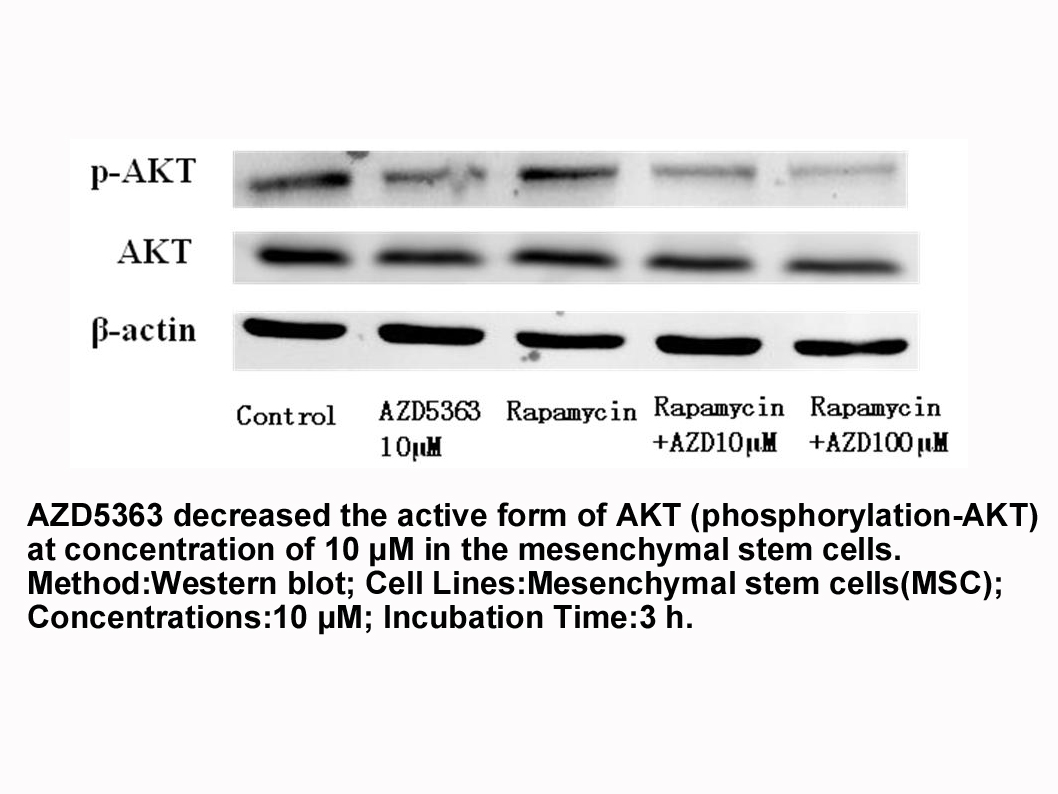
Polymorphism of the CD226 gene also affected the progression rate without any significant effect on autoantibody formation. This gene has been reported to be a common genetic factor in multiple autoimmune diseases such as SLE, systemic sclerosis and type 1 diabetes [43]. CD226 is an immunoglobulin s
-
The potential impact of multiple washings on
2019-10-21
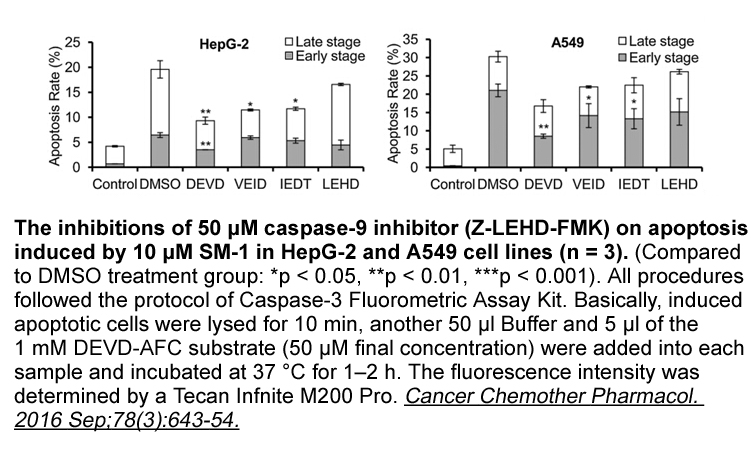
The potential impact of multiple washings on DNA retention in semen stains had not previously been addressed. In the present study, multiple washes of semen-stained cotton cloth produced only a minimal loss of recovered DNA suggesting that multiple washes may not materially affect DNA recovery (Fig.
-
Finally the identification of predictive biomarkers of respo
2019-10-19
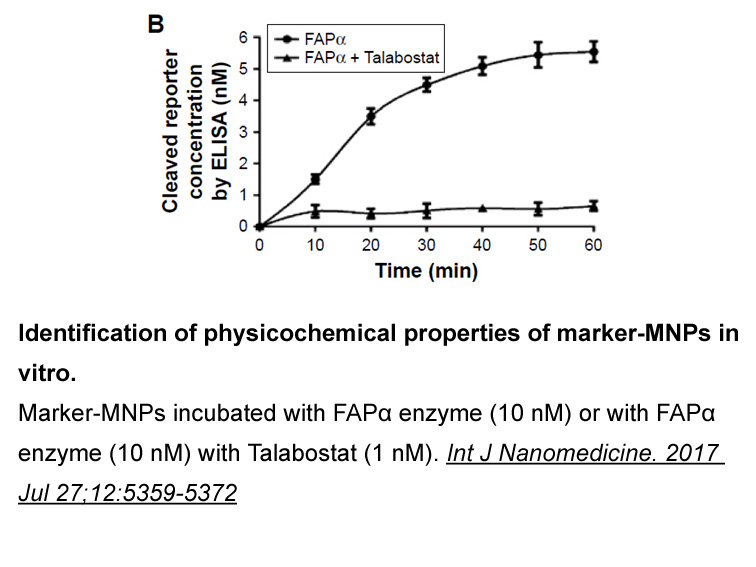
Finally, the identification of predictive biomarkers of response will also allow the more recently discovered CDK inhibitors to be explored in particular genetically-defined contexts, for example by building on recent observations that KRAS mutant tumors are highly sensitive to CDK1 inhibition, and
-
Currently multiple clinical trials of CSF CSF R targeting
2019-10-19
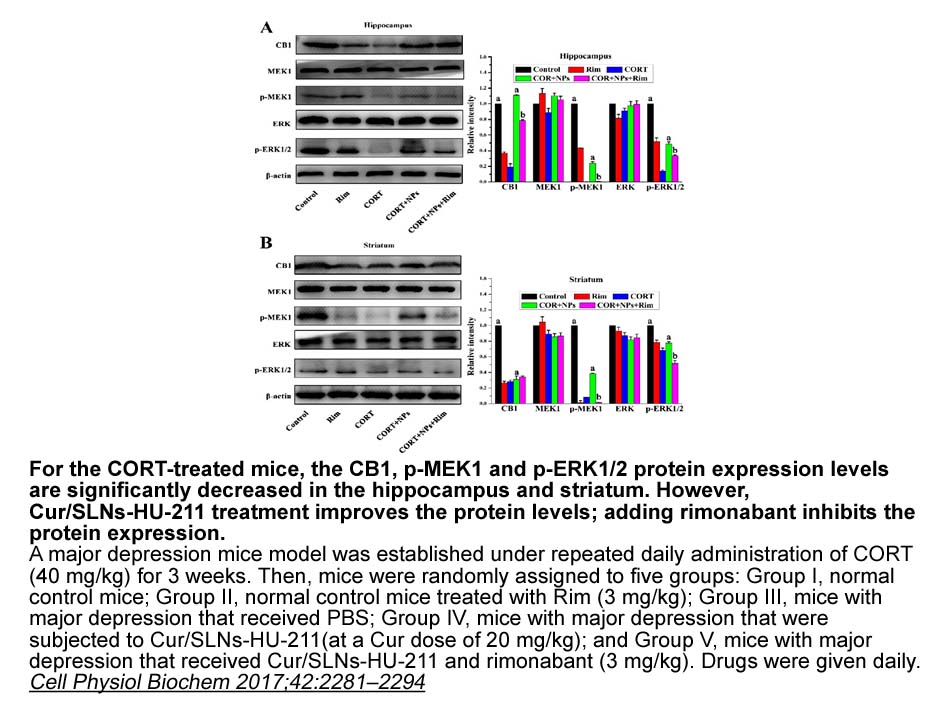
Currently, multiple clinical trials of CSF-1/CSF-1R-targeting agents in combination with standard treatment modalities and immunotherapies are underway (Table 1). In particular, results for combinations with checkpoint blockade inhibitors and other immunotherapeutic approaches are eagerly awaited.
16692 records 987/1113 page Previous Next First page 上5页 986987988989990 下5页 Last page