Archives
- 2026-11
- 2026-10
- 2026-09
- 2026-08
- 2026-07
- 2026-06
- 2026-05
- 2026-04
- 2026-03
- 2026-02
- 2026-01
- 2025-12
- 2025-11
- 2025-10
- 2025-09
- 2025-04
- 2025-03
- 2025-02
- 2025-01
- 2024-12
- 2024-11
- 2024-10
- 2024-09
- 2024-08
- 2024-07
- 2024-06
- 2024-05
- 2024-04
- 2024-03
- 2024-02
- 2024-01
- 2023-12
- 2023-11
- 2023-10
- 2023-09
- 2023-08
- 2023-07
- 2023-06
- 2023-05
- 2023-04
- 2023-03
- 2023-02
- 2023-01
- 2022-12
- 2022-11
- 2022-10
- 2022-09
- 2022-08
- 2022-07
- 2022-06
- 2022-05
- 2022-04
- 2022-03
- 2022-02
- 2022-01
Multiple subsets of Breg cells in
2022-03-07
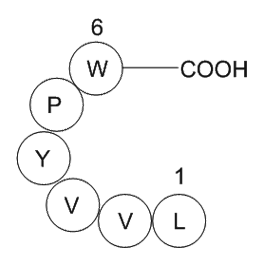
Multiple subsets of Breg cells in mice have been identified that could suppress the T cell-mediated response. However, a lack of consensus surface markers for Breg cells made it difficult to judge whether Breg cells are a special B cell subset or whether all Loratadine have an immuno-regulatory fun
It has been demonstrated that HO inhibits
2022-03-07
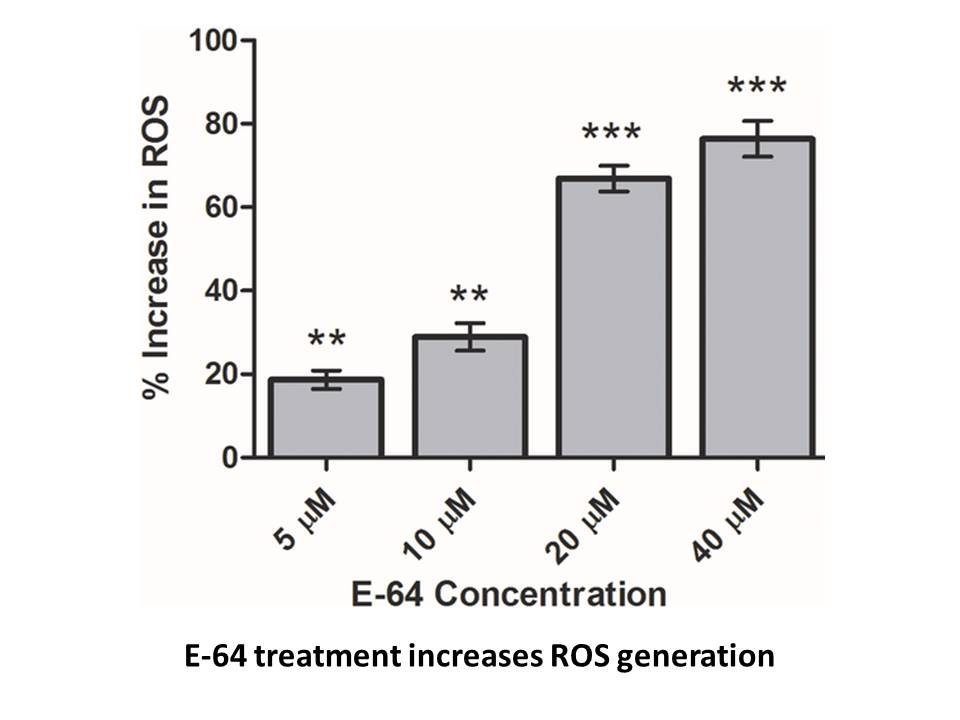
It has been demonstrated that HO-1 inhibits the production of proinflammatory mediators including TNF-α and IL-6 in response to sepsis [35], and the expression of iNOS and COX-2 [36,37]. An inverse association between HO-1 and iNOS has previously been described: the NO levels decline with increases
Hh signaling pathway plays an
2022-03-07
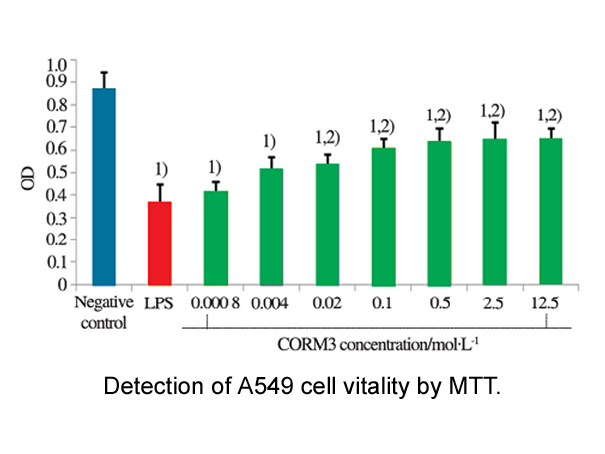
Hh signaling pathway plays an essential role in the regulation of invertebrate and vertebrate tissue development and metabolic homeostasis. Components of Hh signaling pathway have been identified in succession, including Hh ligands, membrane protein receptors, cytoplasmic components and transcriptio
Importantly HDACi mediated effects are cell
2022-03-07
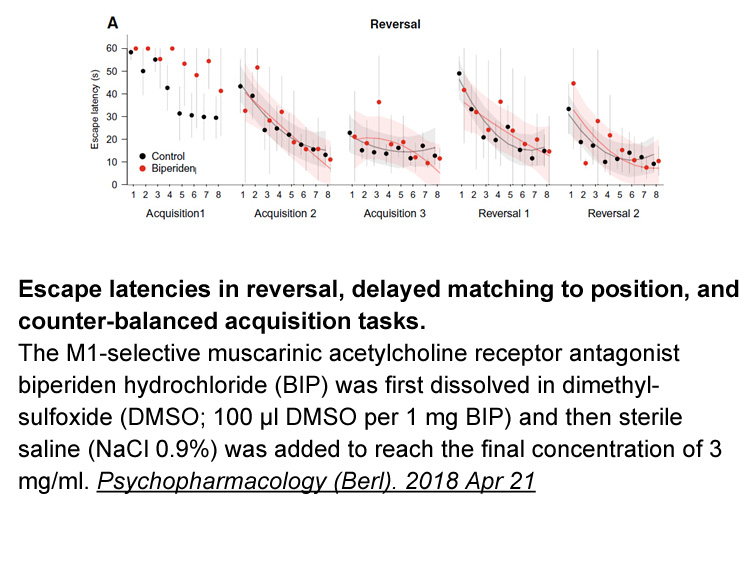
Importantly, HDACi-mediated effects are cell and HDAC specific; different effects and outcomes have been observed in different cell types, targeting different HDAC isoforms. While HDACi exhibit a strong proapoptotic potential in human leukemia inhibitor of apoptosis proteins 19, 20, 21, 22, they ha
br Acknowledgements This work has been supported by
2022-03-07
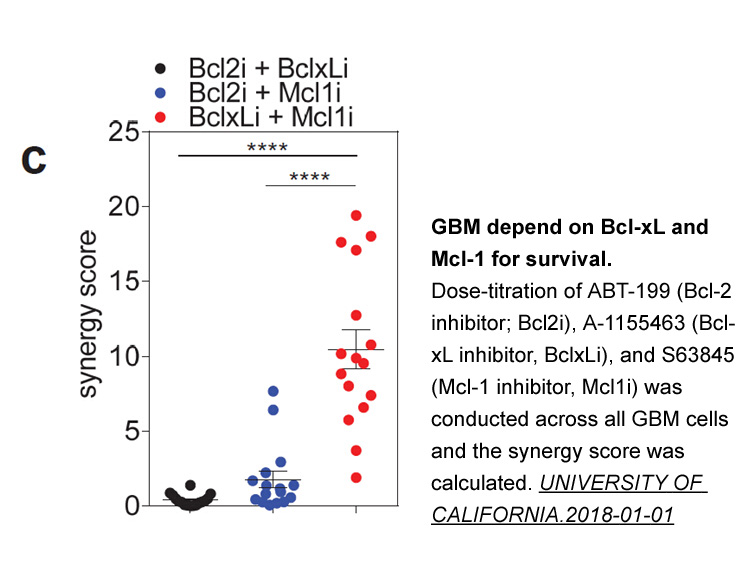
Acknowledgements This work has been supported by TSTAR USDA and Florida Citrus Advanced Technology Program Grants to D.B., C.P and R.S. One of us (D.B.) is an established scientist fellow at the Oak Ridge Institute for Science and Education (ORISE). This research was supported in part by an appoi
The eel and perhaps other euryhaline
2022-03-07
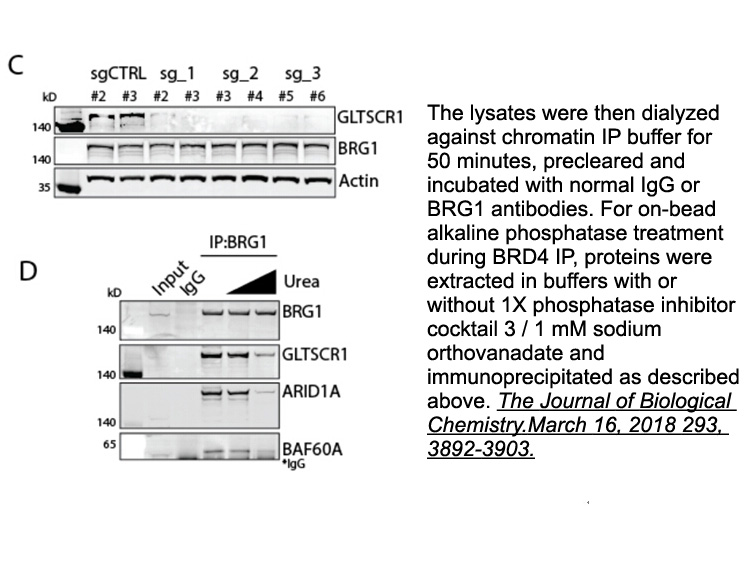
The eel, and perhaps other euryhaline teleost fish, have the additional peptide, renoguanylin that exhibits high levels of expression within the kidney as well as the intestine. In terms of overall sequence, pre-prorenoguanylin is more homologous to pre-proguanylin than pre-prouroguanylin and a phen
Annexin A ANXA a member
2022-03-07
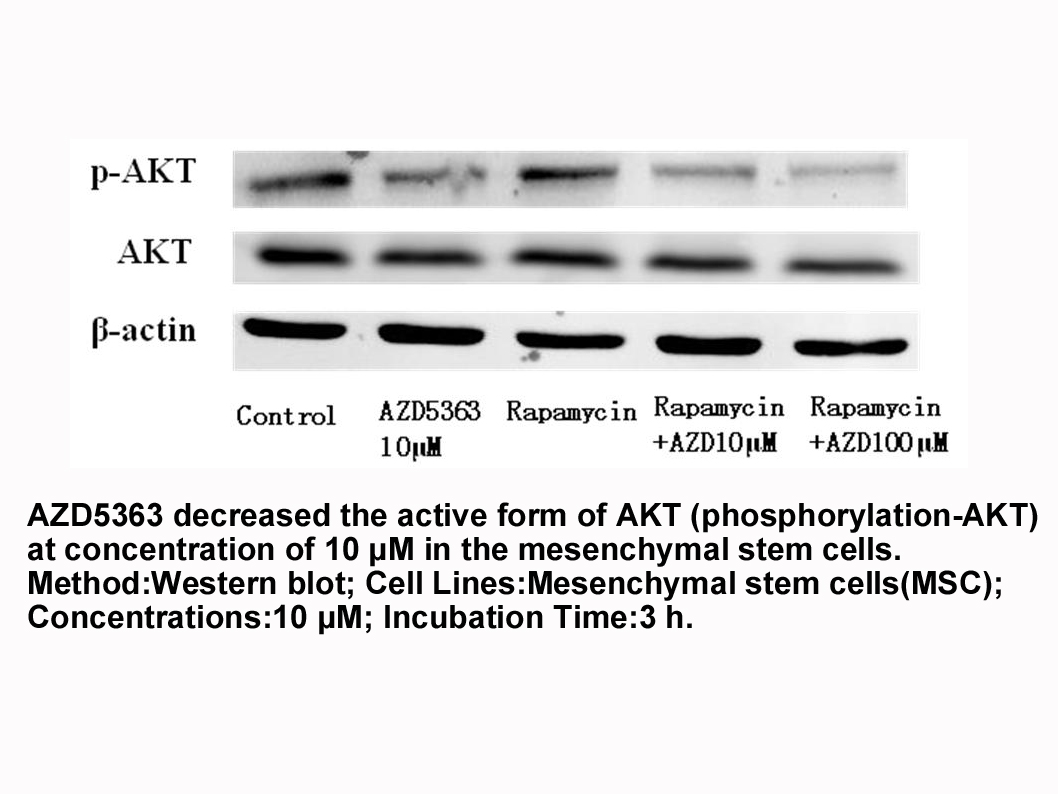
Annexin A7 (ANXA7), a member of annexin superfamily, is a Ca2+- and phospholipid-binding protein and possesses GTPase activity [5,6]. The ANXA7 gene is located on human chromosome 10q21, where multiple potential tumor suppressor genes exist. Homozygous ANXA7 (−/−) knockout mice showed a lethal pheno
Palbociclib We show that pharmacological inactivation of
2022-03-07
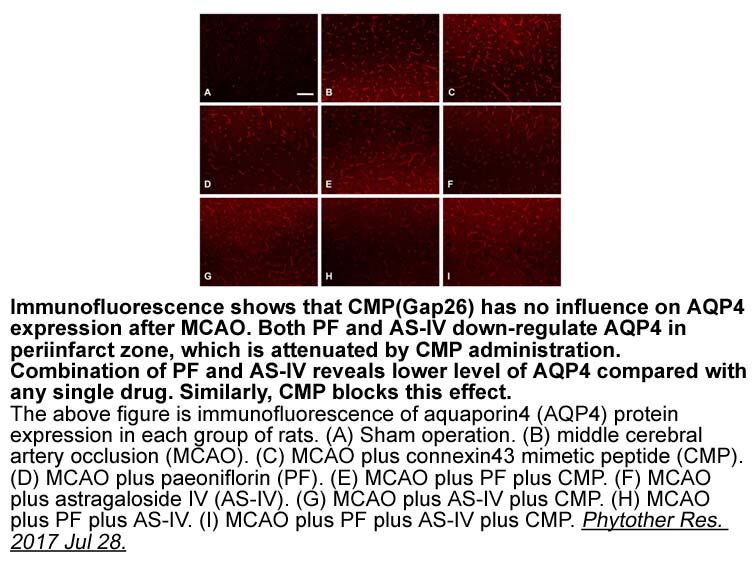
We show that pharmacological inactivation of GSTP1 over a sustained period does not show any observable toxicity, and not only prevents breast tumor growth but even slows established breast tumor growth in mice. A highly potent GSTP1 inhibitor, ezatiostat (developed by Telik Inc.) has passed phase I
Initially the synthesized compounds from
2022-03-07
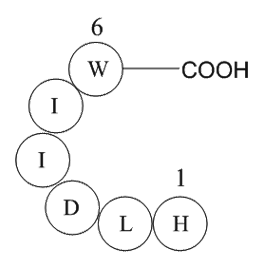
Initially, the synthesized compounds from were evaluated for human GSNOR potency before generating additional SAR in order to understand scaffold feasibility and required functionality as illustrated in . Commercially available 4′-hydroxy-[1,1′-biphenyl]-4-carboxylic omacetaxine having similar te
Currently ursodeoxycholic acid UDCA is the only recommended
2022-03-07
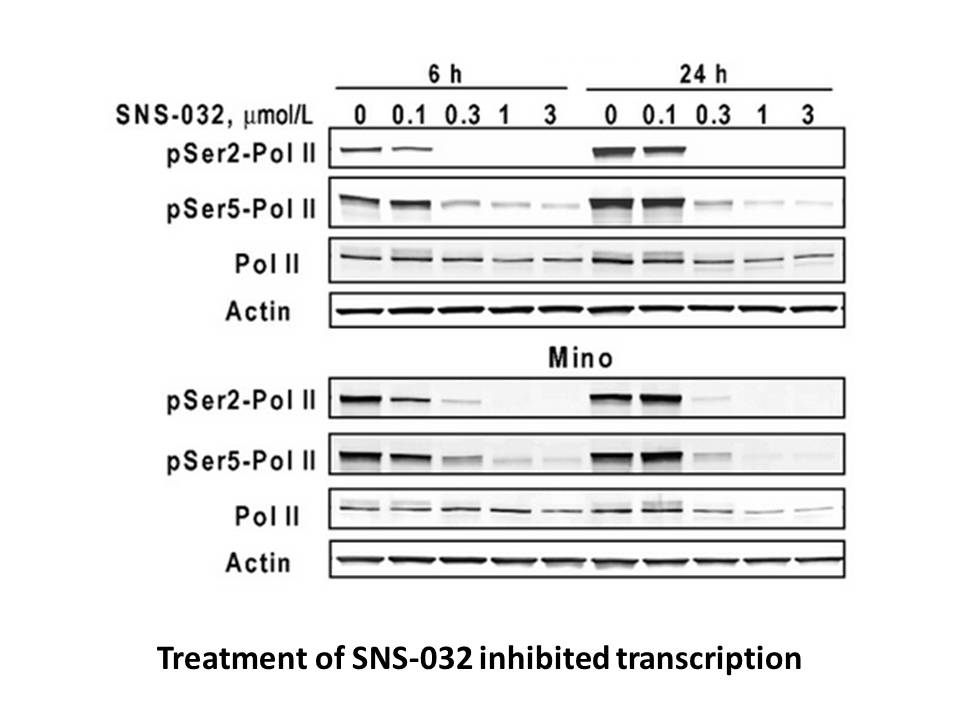
Currently, ursodeoxycholic KY02111 sale (UDCA) is the only recommended and widely used drug in the treatment of CFLD. However, the clinical efficacy of UDCA is controversial. The most recent Cochrane review only identified a small number of trials assessing the effectiveness of UDCA [92]. The autho
Flavonoids are able to modulate proinflammatory signaling pa
2022-03-04
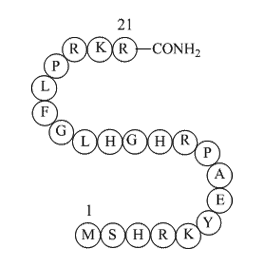
Flavonoids are able to modulate proinflammatory signaling pathways to prevent OS and apoptosis [139]. Paraoxygenase-2 (PNO2) is an enzyme involved in neuroprotection by preventing OS mediated damage in mitochondria. Flavonoids can modulate the JNK/AP-1 pathway to increase expression of PNO2 [111]. F
Piroxicam belongs to the oxicam family of NSAIDs and a
2022-03-04
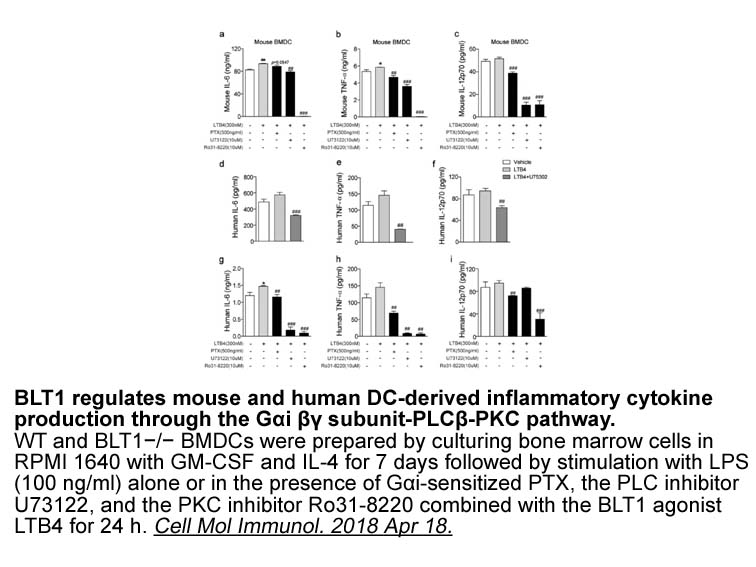
Piroxicam belongs to the oxicam family of NSAIDs and a special attention has been drawn to this drug because of its multifunctional potential [5], [27], [28]. Chemically, piroxicam (4-hydroxy-2-methyl-N-2-pyrimidyl-2H-1,2-benzothiazine-3-carboxyamide) is an enolic ap-1 with a size comparable to tha
In this study according to
2022-03-04
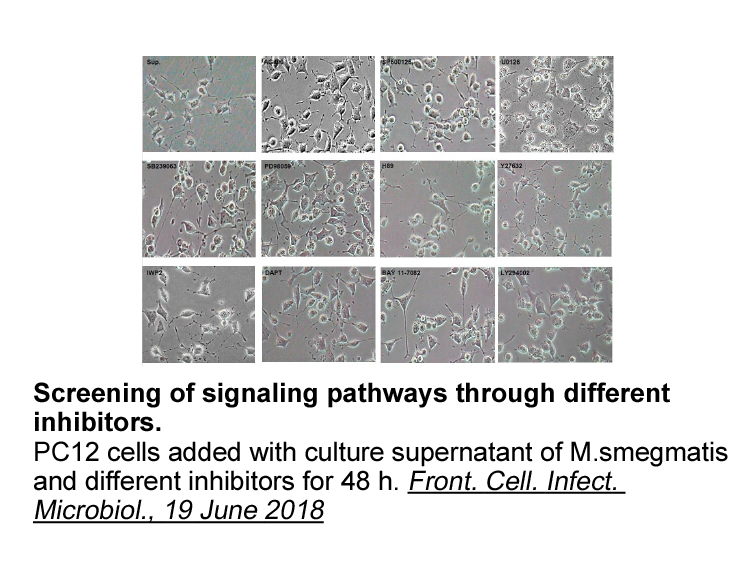
In this study, according to the critical pharmacophore T31, Y113 and R140 of FBPase, using the strategy of pharmacophore-based virtual screening, a series of novel scaffold inhibitor targeted the AMP binding site of FBPase were screened, their inhibitory activities against FBPase were further tested
So studies are currently in progress to design
2022-03-03
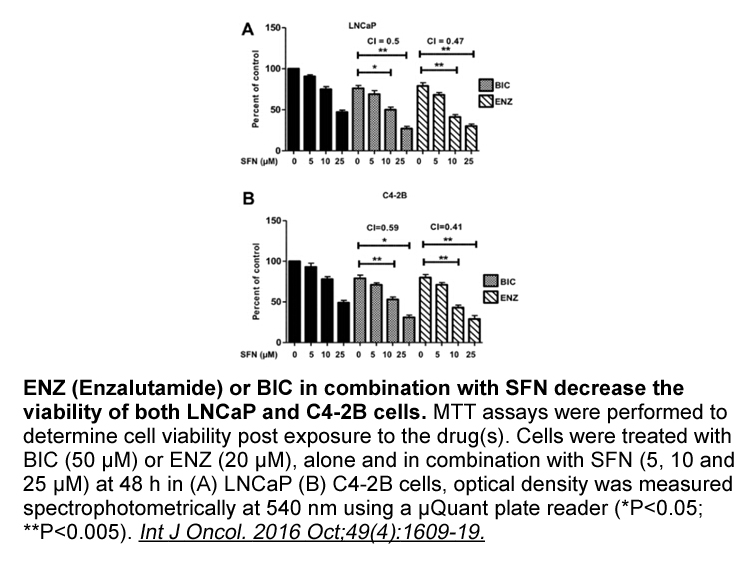
So, studies are currently in progress to design drugs which could inhibit the main crosstalk components between interacting key pathways (Fig. 1). Wnt The Wnt family consists of 19 highly conserved glycoproteins serving as ligands which bind to the G-protein coupled 7-pass transmembrane receptor
However a direct effect of ROS on GSNOR has also
2022-03-03
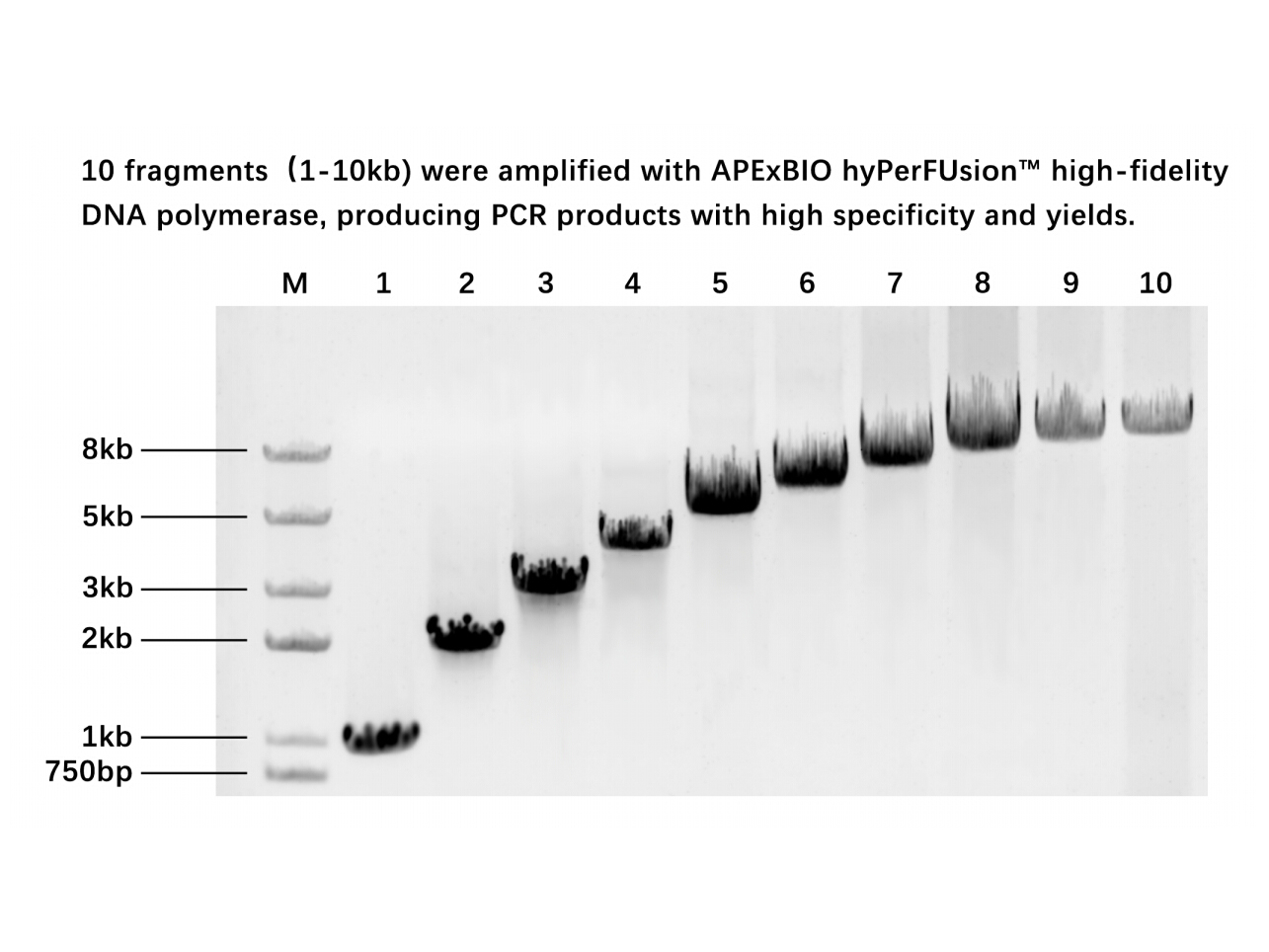
However, a direct effect of ROS on GSNOR has also been described. Inhibition of GSNOR by ROS has been demonstrated for yeast [44], Arabidopsis[36], and Baccaurea ramiflora (Burmese grape) [45] suggesting that this could be a general mechanism of crosstalk between ROS and ·No signaling. Interestingly
8575 records 536/572 page Previous Next First page 上5页 536537538539540 下5页 Last page