Archives
- 2026-06
- 2026-05
- 2026-04
- 2026-03
- 2026-02
- 2026-01
- 2025-12
- 2025-11
- 2025-10
- 2025-09
- 2025-04
- 2025-03
- 2025-02
- 2025-01
- 2024-12
- 2024-11
- 2024-10
- 2024-09
- 2024-08
- 2024-07
- 2024-06
- 2024-05
- 2024-04
- 2024-03
- 2024-02
- 2024-01
- 2023-12
- 2023-11
- 2023-10
- 2023-09
- 2023-08
- 2023-07
- 2023-06
- 2023-05
- 2023-04
- 2023-03
- 2023-02
- 2023-01
- 2022-12
- 2022-11
- 2022-10
- 2022-09
- 2022-08
- 2022-07
- 2022-06
- 2022-05
- 2022-04
- 2022-03
- 2022-02
- 2022-01
- 2021-12
- 2021-11
- 2021-10
- 2021-09
- 2021-08
- 2021-07
- 2021-06
- 2021-05
- 2021-04
- 2021-03
- 2021-02
- 2021-01
- 2020-12
- 2020-11
- 2020-10
- 2020-09
- 2020-08
- 2020-07
- 2020-06
- 2020-05
- 2020-04
- 2020-03
- 2020-02
- 2020-01
- 2019-12
- 2019-11
- 2019-10
- 2019-09
- 2019-08
- 2019-07
- 2019-06
- 2019-05
- 2019-04
- 2018-11
- 2018-10
- 2018-07
-
GABAB receptor is associated with brain and behavioral disea
2025-02-14
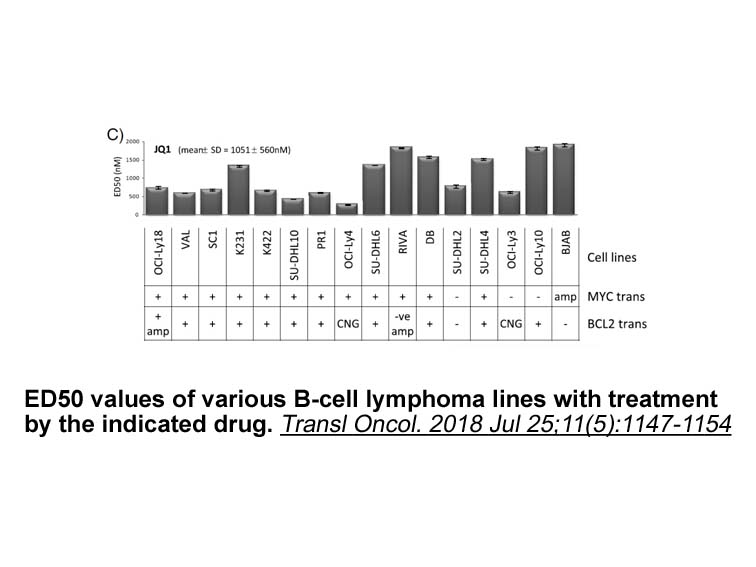
GABAB receptor is associated with ubiquitin conjugating enzyme and behavioral diseases, including epilepsy, spasticity, anxiety and neuropathic pain (Bettler et al., 2004, Bowery et al., 2002, Froestl, 2010). Baclofen, a clinical drug and selective GABAB receptor agonist, is used to treat muscle spa
-
ASK belongs to the family of MAPKKK ASK mediated
2025-02-14
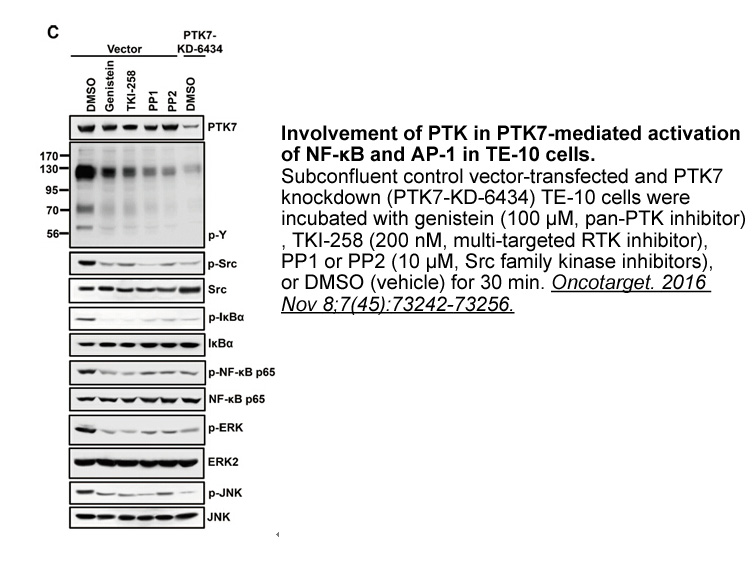
ASK1 belongs to the family of MAPKKK. ASK1-mediated apoptosis is involved in the pathogenesis of several diseases such as I/R injury, infectious diseases and neurodegenerative disorders [33], [34], [35]. ASK1 can be activated through different mechanisms. One mechanism is that oxidative stress direc
-
nox4 A different mechanism has been suggested
2025-02-14
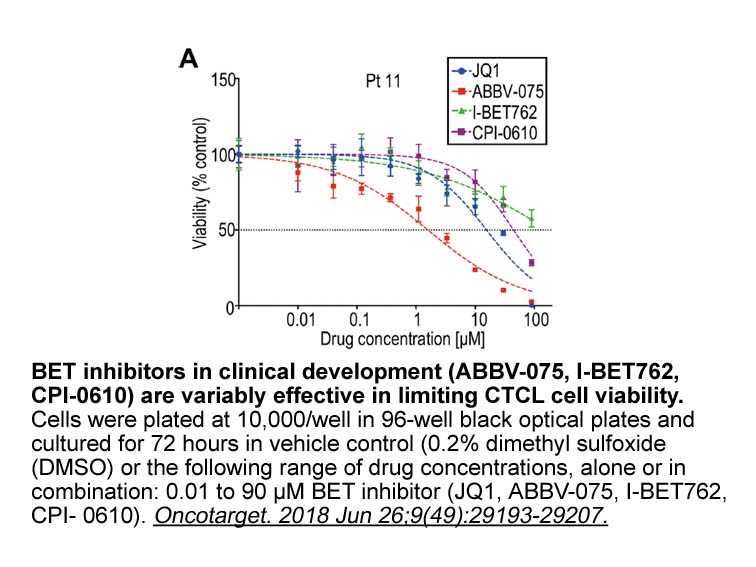
A different mechanism has been suggested for the role of TRX1 in ASK1 regulation based on disulfide bond-mediated ASK1 multimerization and its reduction through the thiol-reductase activity of TRX1 (Nadeau et al., 2007, Nadeau et al., 2009). In this model, oxidative stress induces intermolecular dis
-
Although the gene that encodes DHFR has
2025-02-14
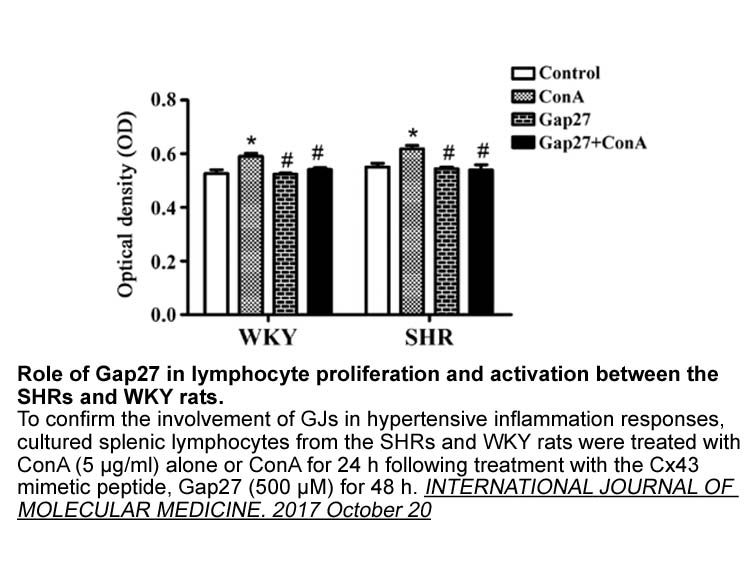
Although the gene that encodes DHFR has been strongly conserved during evolution, subtle differences in the active sites of bacterial, human and parasite excitation emission cy5 have been exploited to develop DHFR inhibitors specific to particular pathogens 1, 3. For example, pyrimethamine and cycl
-
br Acknowledgments br Introduction Angiotensin
2025-02-14
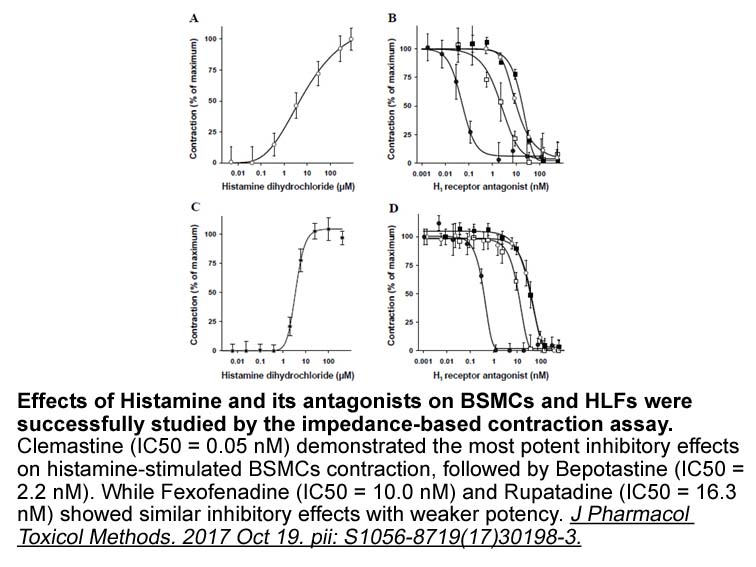
Acknowledgments Introduction Angiotensin II (AngII) is among the most potent vasoactive substances produced in humans. Its effects are numerous, from vasoconstriction to control of fluid and electrolytes balances. Many of the physiological and pathological effects of AngII are mediated by the
-
br Acknowledgments br Introduction Alzheimer s disease AD
2025-02-14
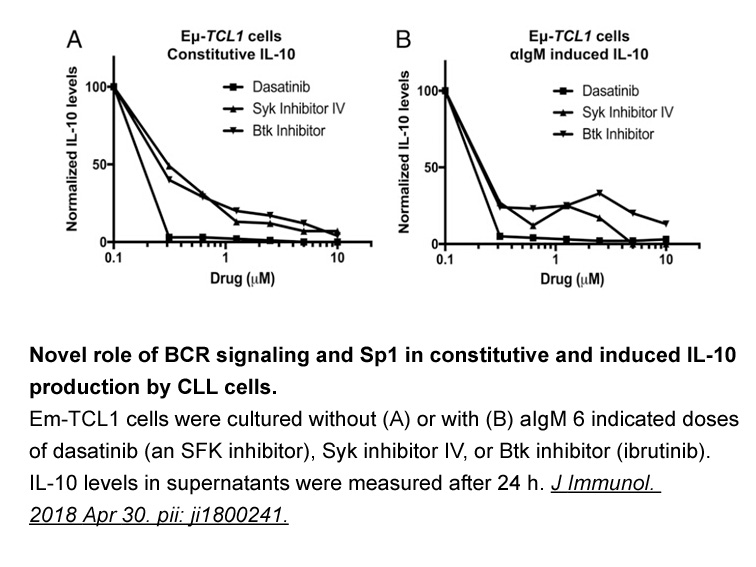
Acknowledgments Introduction Alzheimer's disease (AD) is a severe neurodegenerative disorder primarily affecting the elderly population. Senile plaques in the brain, one of the pathological hallmarks of AD, are formed by the accumulation of aggregated β-amyloid (Aβ) with an extensive β-sheet s
-
Structural and functional imaging studies searching for spec
2025-02-14
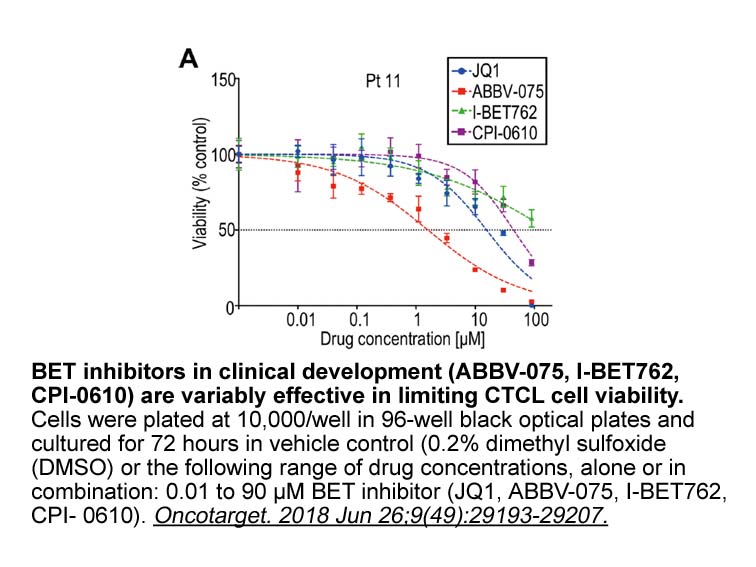
Structural and functional imaging studies searching for specific cortical areas related to each cognitive function domain have provided clues to the spreading patterns of cognitive dysfunction (Domoto-Reilly et al., 2012, Firbank et al., 2016, Li et al., 2012, Machulda et al., 2003, Mandal et al., 2
-
(Z)-4-Hydroxytamoxifen An unbiased evaluation of hepatic
2025-02-14

An unbiased evaluation of hepatic mRNA was performed to assess the impact of hepatocyte AMPK activation on the transcriptome. The expression of 913 genes were altered in control mice after chronic PF-06409577 treatment, 188 genes were affected by knocking out AMPK in hepatocytes, and expression of 2
-
Since the publication of the guidelines
2025-02-13
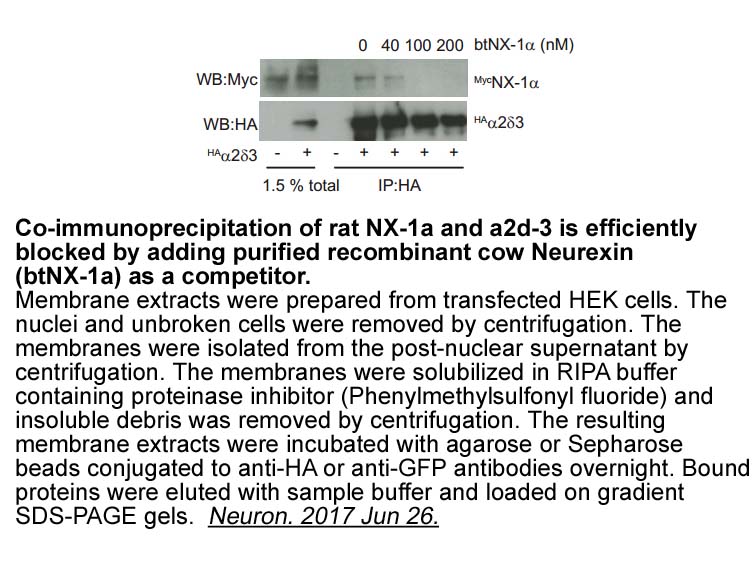
Since the publication of the 2011 guidelines, data have continued to accumulate indicating that the cognitive decline in AD occurs continuously over a long period [6–8], and that progression of biomarker measures is also a continuous process that begins before symptoms [9–14]. Thus, the disease is n
-
Lorlatinib is an orally active brain penetrant cyclic
2025-02-13
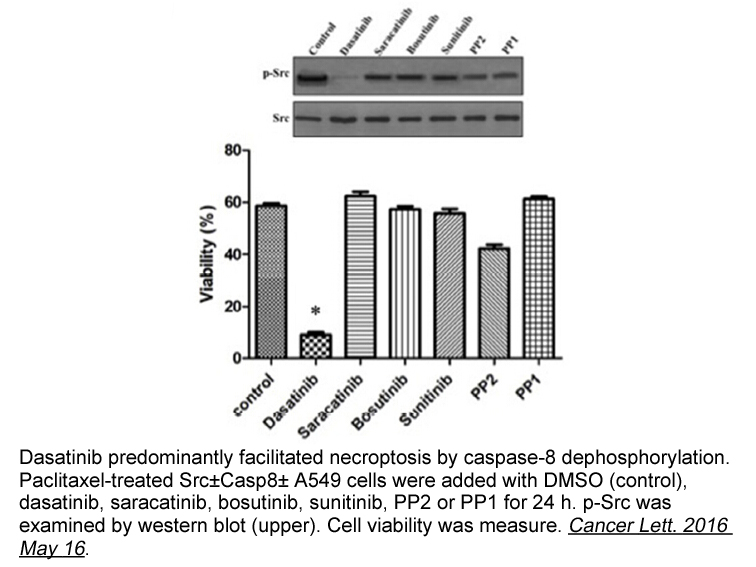
Lorlatinib is an orally active brain penetrant cyclic 2-aminopyridine derivative that is a type I½ B ALK inhibitor (Fig. 5F) [61]. This medicinal is an effective antagonist against the more common L1196M and G1269A crizotinib-resistant mutations as well as the less common T1151Ins, L1152R, C1156Y, F
-
It is also possible that adrenoceptor activation may
2025-02-13
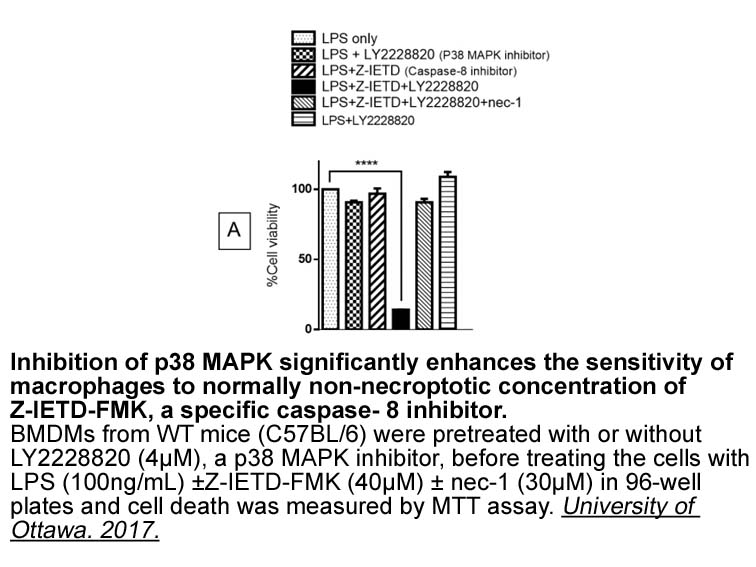
It is also possible that α2-adrenoceptor activation may inhibit glutamate accumulation by upregulating the glutamate-buffering activity of Müller PI3K Akt mTOR Compound Library through EAAT1 or adjusting EAAT2 in bipolar cells, as well as the NMDA receptor. Therefore, we investigated whether topica
-
Further evidence for action mechanism was provided by assays
2025-02-13
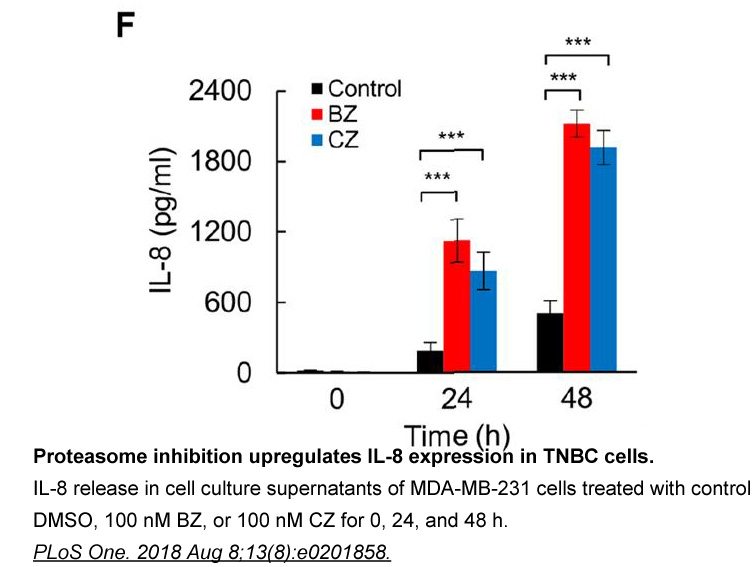
Further evidence for action mechanism was provided by assays using [3H]nisoxetine, a selective NET inhibitor used as standard radioligand for competitive binding experiments. The results showed dose-dependent blocking of [3H]nisoxetine binding by both xylazine and dexmedetomidine. Nisoxetine binds t
-
Introduction Adenosine monophosphate cAMP is a
2025-02-13
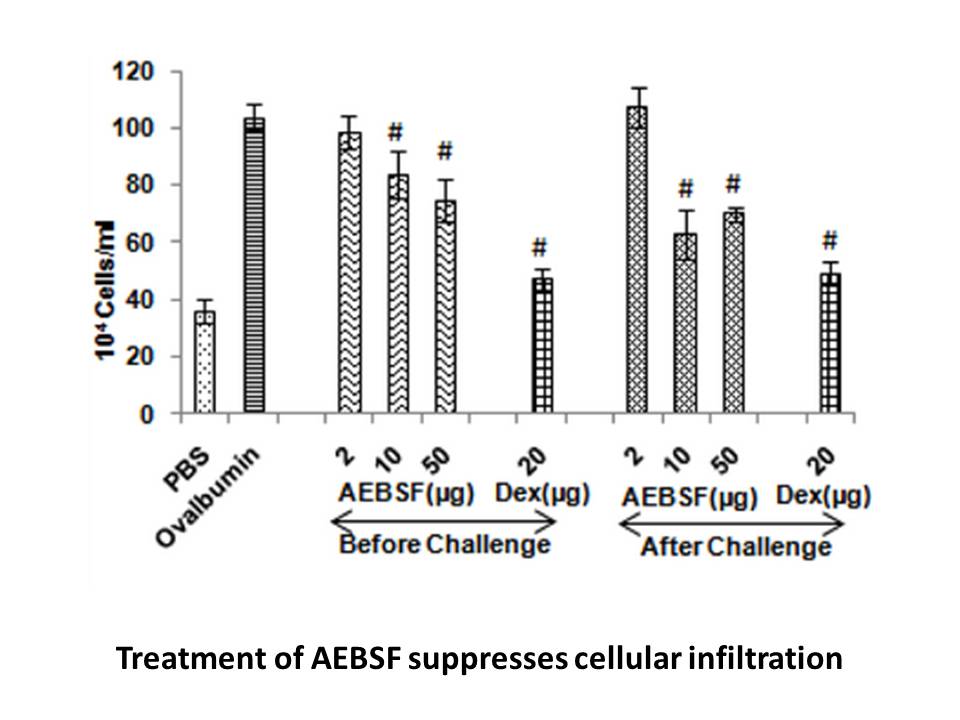
Introduction Adenosine 3′,5′-monophosphate (cAMP) is a general-purpose signaling molecule present in most branches of life. Intracellular cAMP levels control diverse cellular functions. In bacteria, cAMP regulates metabolism by activation of the catabolite activator protein (CAP), also known as cAM
-
AMPK modulates changes in lipid metabolism via the regulatio
2025-02-13
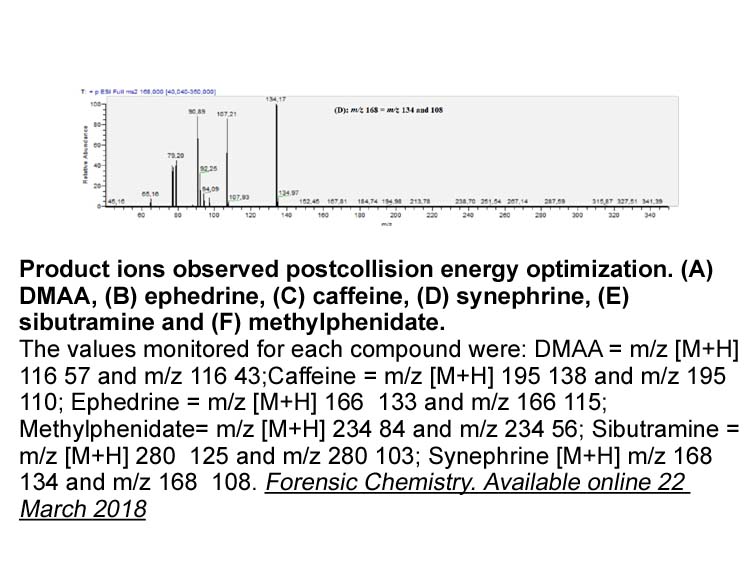
AMPK modulates changes in lipid metabolism via the regulation of fatty Piperlongumine oxidation and cholesterol synthesis in the liver. The key enzymes involved include ACC and HMGCR [27,28]. Both participate in the rate-limiting steps of fatty acids and cholesterol synthesis and are inactivated on
-
Osteocytes the most abundant cells
2025-02-13
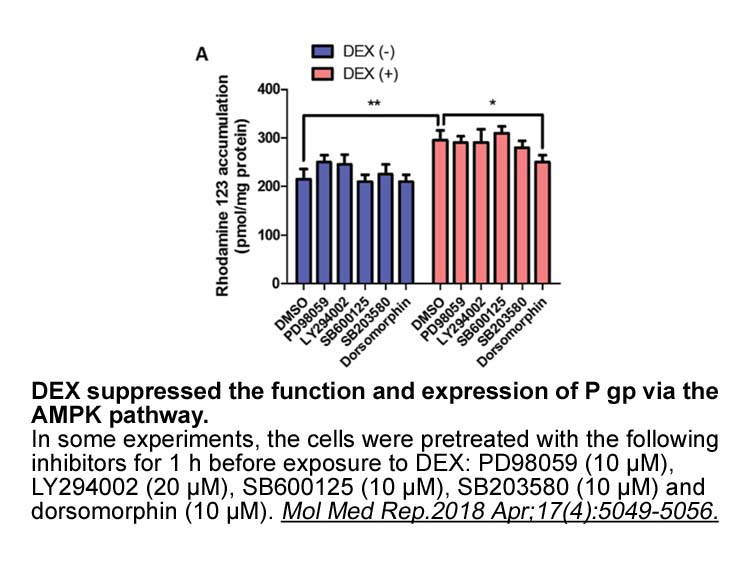
Osteocytes, the most abundant cells in an adult skeleton, are essentially mature osteoblasts that are surrounded by the products they secreted (Noble and Reeve, 2000). Osteocytes serve as mechanosensors that direct bone remodeling and that regulate the activities of osteoblasts and osteoclasts (Bone
16681 records 37/1113 page Previous Next First page 上5页 3637383940 下5页 Last page